
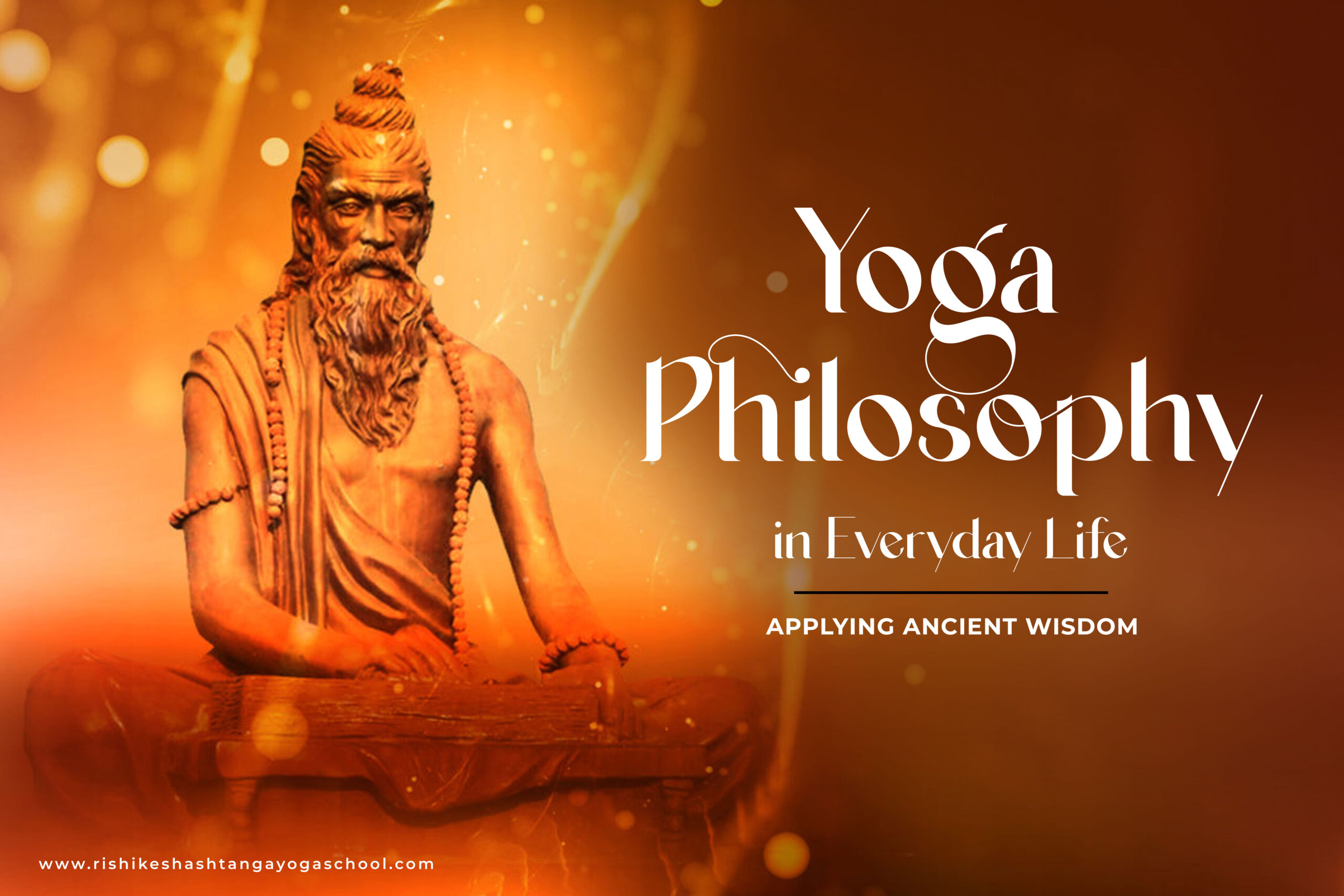
The ancient wisdom of yoga philosophy, rooted in timeless principles, extends far beyond the confines of the yoga mat. Its teachings offer a profound guide to navigating the complexities of everyday life, fostering a harmonious relationship with oneself and the world. As we delve into the application of yoga philosophy in daily existence, we uncover transformative insights that illuminate the path to balance, mindfulness, and overall well-being.
- Mindful Awareness: Living in the Present Moment
At the core of yoga philosophy is the practice of mindful awareness, encouraging individuals to be fully present in each moment. In the hustle and bustle of modern life, where the mind often races ahead or dwells in the past, the principle of mindfulness becomes a compass. By anchoring our attention to the present, we cultivate a heightened awareness of our thoughts, actions, and surroundings. Whether sipping a cup of tea, engaging in conversation, or performing daily tasks, the art of mindful awareness infuses each moment with a sense of purpose and presence.
- Ahimsa: Cultivating Non-Violence in Thought and Deed
Ahimsa, the principle of non-violence, extends beyond the physical realm to encompass thoughts, words, and intentions. Applying ahimsa in everyday life involves cultivating compassion and kindness towards oneself and others. It means speaking words that uplift rather than harm, making choices that promote well-being, and fostering an environment of harmony. In practicing ahimsa, individuals contribute to the creation of a more peaceful and compassionate world, starting with the interactions and choices they make in their immediate surroundings.
- Satya: Honesty and Authentic Living
Satya, or truthfulness, invites individuals to live authentically and speak with honesty. In a world where societal norms and expectations often influence self-expression, embracing satya requires a deep understanding of one’s true nature. Applying this principle means aligning actions with values, being truthful in communication, and cultivating transparency in relationships. Living a life guided by satya brings a sense of integrity, fostering genuine connections with oneself and others.
- Asteya: Embracing Abundance Without Theft
Asteya, the principle of non-stealing, goes beyond refraining from physical theft to encompass the idea of embracing abundance without greed or coveting. In daily life, asteya encourages individuals to appreciate what they have, recognizing that true wealth extends beyond material possessions. By practicing contentment and gratitude, individuals can create a mindset that is free from the need to constantly acquire, fostering a sense of fulfillment in the present moment.
- Brahmacharya: Channeling Energy for Spiritual Growth
Brahmacharya traditionally refers to celibacy, but in a broader sense, it suggests channeling one’s energy in a way that aligns with spiritual growth. In the context of everyday life, brahmacharya encourages individuals to use their energy wisely and mindfully. This involves finding balance in various aspects of life, such as work, relationships, and personal pursuits, to prevent the depletion of vital energy. By cultivating moderation and discernment, individuals can direct their energy towards endeavors that contribute to their overall well-being.
- Aparigraha: Letting Go of Attachment
Aparigraha, or non-attachment, invites individuals to release the grip of possessiveness and the constant pursuit of more. In the consumer-driven culture of today, this principle encourages a mindful approach to material possessions and relationships. By letting go of unnecessary attachments, individuals free themselves from the burden of accumulation, paving the way for a lighter, more liberated existence. Aparigraha teaches that true fulfillment comes not from what we have but from the richness of our inner experiences.
- Santosha: Cultivating Contentment
Santosha, the principle of contentment, encourages individuals to find joy and satisfaction in the present moment, regardless of external circumstances. In a world that often places value on external achievements, practicing santosha involves appreciating the journey and finding contentment in the process rather than fixating on outcomes. This approach fosters a sense of inner peace and resilience, allowing individuals to navigate life’s ups and downs with a steady and grateful heart.
- Tapas: Discipline and Self-Transformation
Tapas, often translated as discipline or fiery enthusiasm, is the practice of cultivating inner heat to fuel self-transformation. In daily life, tapas involves the commitment to personal growth and the willingness to undergo challenges for the sake of positive change. Whether it’s maintaining a consistent yoga practice, pursuing educational goals, or adopting healthier habits, tapas empowers individuals to harness their inner strength and persevere in the face of obstacles.
- Svadhyaya: Self-Reflection and Self-Study
Svadhyaya, the practice of self-reflection and self-study, invites individuals to explore the depths of their inner being. In the context of everyday life, svadhyaya involves an honest examination of thoughts, beliefs, and behaviors. Regular introspection allows individuals to understand themselves more deeply, identify patterns that may hinder personal growth, and cultivate a greater sense of self-awareness. Through the process of self-study, individuals gain valuable insights that contribute to their overall well-being.
- Ishvara Pranidhana: Surrendering to the Divine Flow
Ishvara Pranidhana, or surrender to the divine, invites individuals to recognize and trust in a higher power or universal intelligence. In daily life, this principle encourages letting go of the need for absolute control and cultivating a sense of surrender to the natural flow of life. By relinquishing attachment to specific outcomes and trusting in the inherent wisdom of the universe, individuals can navigate challenges with grace and acceptance.
Yoga Philosophy as a Guiding Light
The ancient wisdom encapsulated in yoga philosophy serves as a guiding light in the journey of everyday life. As individuals apply these principles — from mindfulness and non-violence to truthfulness and contentment — they embark on a transformative path towards holistic well-being. The practice of yoga philosophy extends beyond the mat, becoming a way of living that fosters harmony within oneself, with others, and with the world. In integrating these timeless teachings into daily existence, individuals not only enhance their personal well-being but also contribute to the creation of a more compassionate, mindful, and interconnected world.
To know more about Yogic Philosophy, Please join our upcoming Yoga Teacher Training Course in Rishikesh with Rishikesh Ashtanga Yoga School.
Recent Posts
- Yoga Alliance Certification Explained: Everything Every Yoga Teacher Should Know Before Enrolling
- Cost of Yoga Teacher Training Course in Rishikesh: A Guide to Understanding Your Investment in 2026
- Best Yoga Teacher Training Course in Rishikesh for Beginners
- 200 Hour vs 300 Hour Yoga Teacher Training: Which Course Is the Right for Your Yoga Journey?
- Why Rishikesh is The Best Place To Learn Yoga?